 BOOK AN APPOINTMENT
 DOWNLOAD A BROCHURE
 FIND A SHOWROOM


How to Incorporate Fitted Wardrobes into Small Bedrooms
By Neatsmith
6 minute read
April 24, 2026
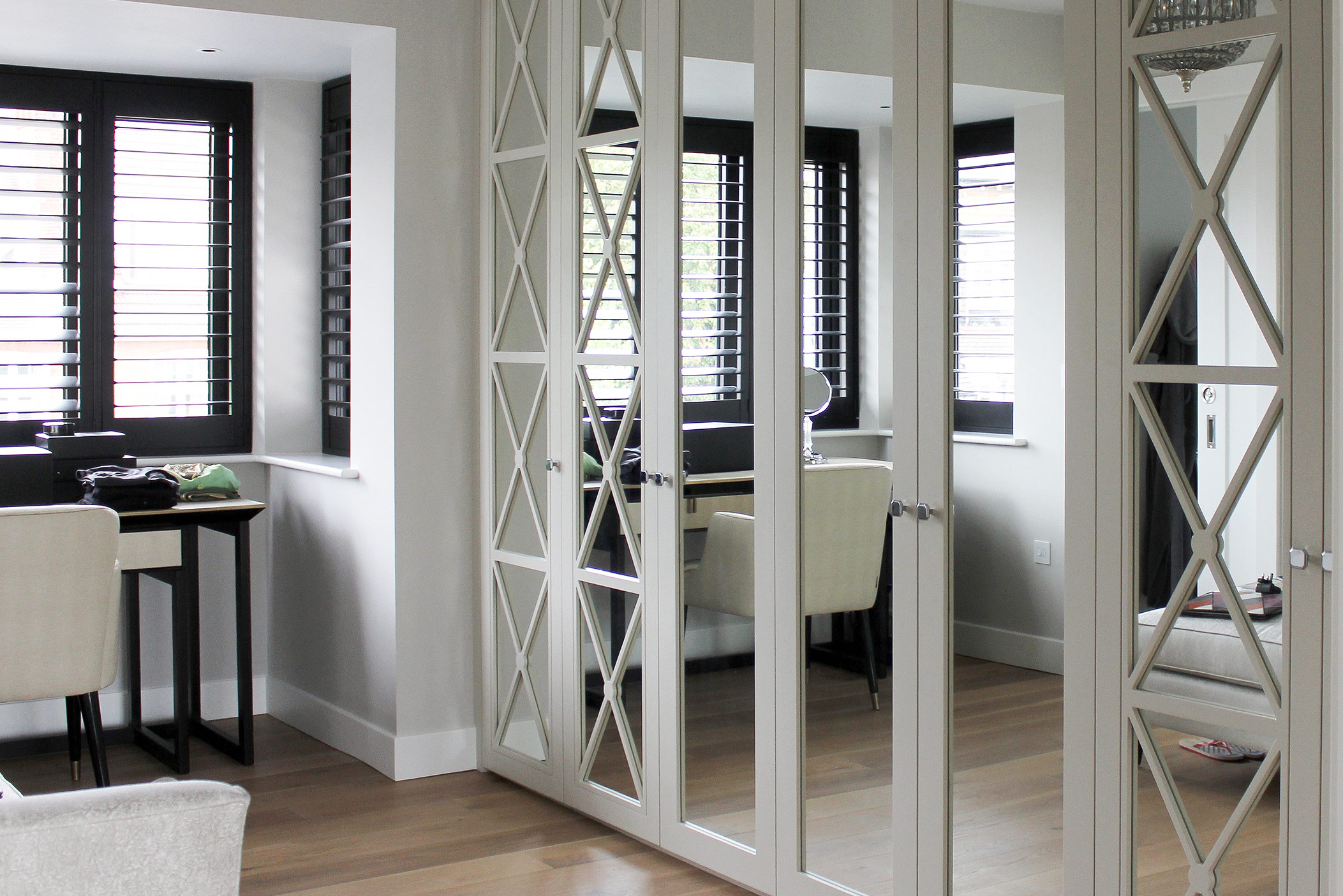
Incorporating a fitted wardrobe into a small bedroom can transform a cramped space into an organised, functional area. This guide explores how to make the most of fitted wardrobes in limited spaces, ensuring both style and practicality. By strategically utilising every square inch, a fitted wardrobe offers a bespoke storage solution that can significantly enhance the usability of a small bedroom. The careful selection of size, style, and features tailored to specific needs and spaces can turn the challenge of limited square footage into a seamless, stylish solution.
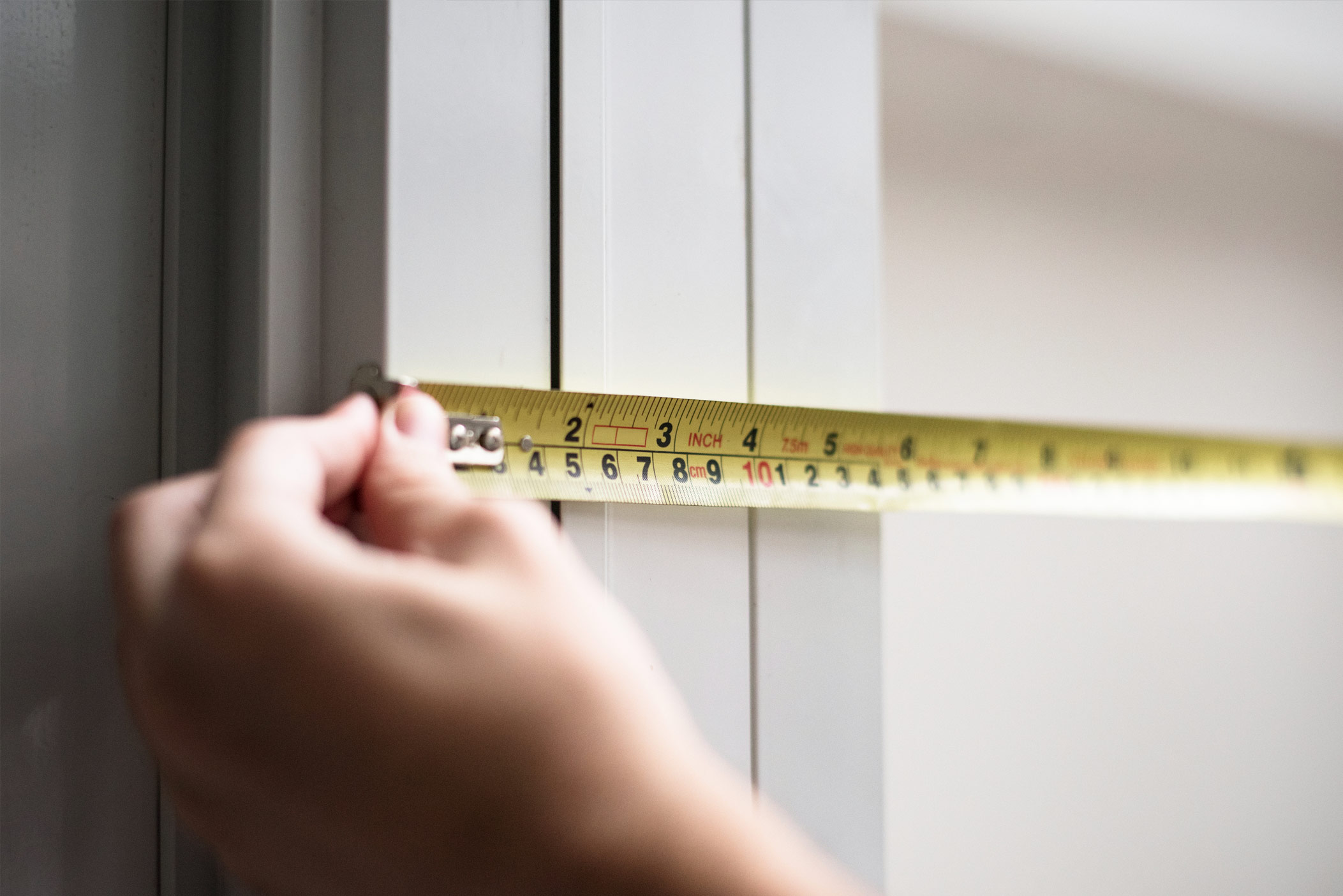 The first step in integrating a fitted wardrobe into a small bedroom is precise measurement. Assessing the available space is crucial. Consider the height, width, and depth that the wardrobe can occupy without overwhelming the room. This initial planning phase should focus on maximising storage vertically to use the often-underutilised upper wall space. Thoughtful planning also helps to avoid any awkward gaps or unusable spaces, ensuring an ideal fit.
 Selecting the right design for a fitted wardrobe involves considering both aesthetic and functional elements. Opt for sleek, minimal designs that don’t add visual bulk to the room. Mirrored or glass doors can help reflect light and make the space appear larger. Additionally, choosing a wardrobe with sliding doors can save space, eliminating the need for clearance that swinging doors require. A well-chosen design can seamlessly integrate with the room’s decor, enhancing both style and functionality.
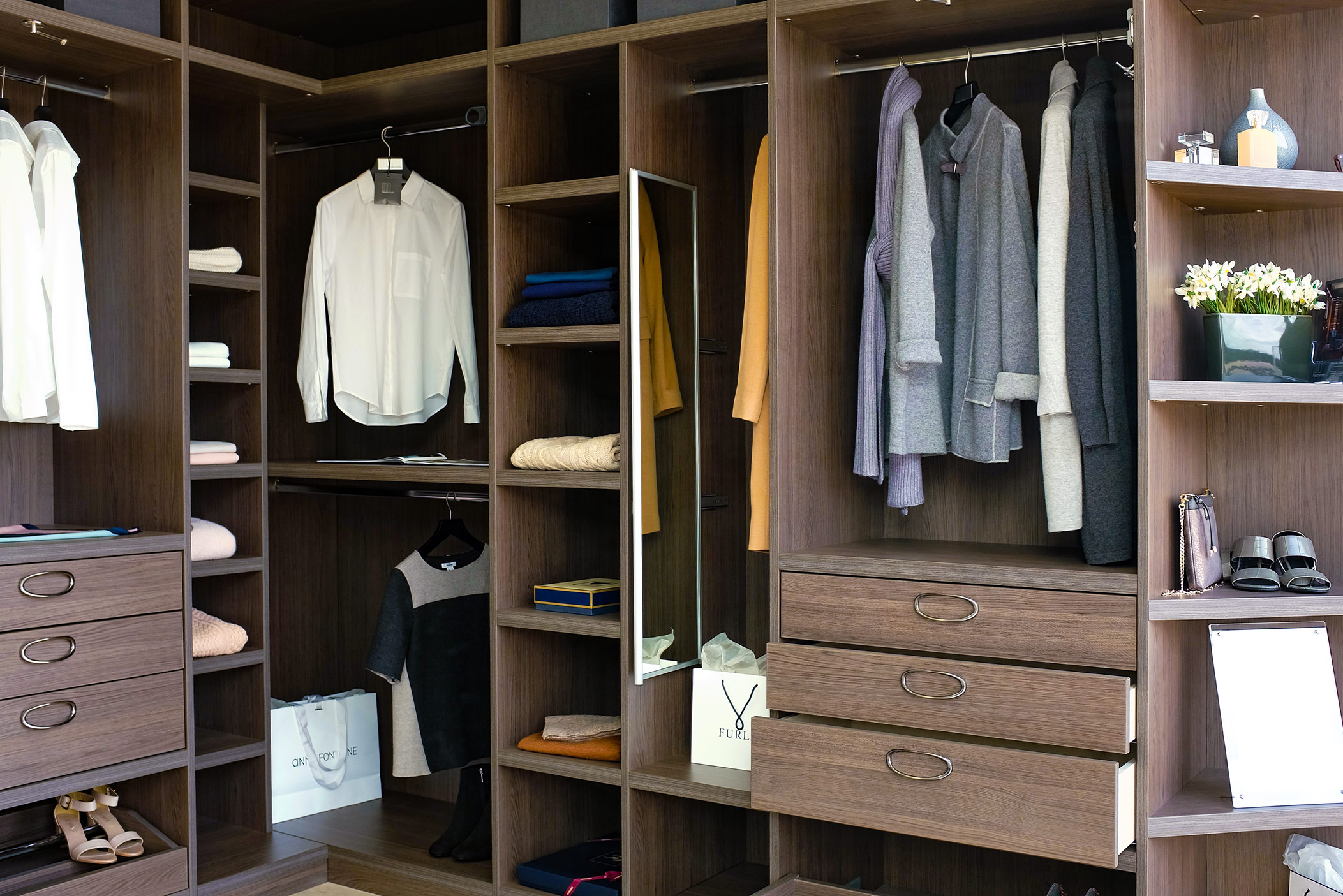 The internal configuration of a fitted wardrobe should address specific storage needs. Custom shelves, hanging rails, and drawers can be designed to accommodate various items, from clothes to accessories, maximising space efficiency. For smaller rooms, it’s advisable to prioritise hanging space over shelves to keep the wardrobe less bulky and more functional. A well-organised internal layout ensures that every inch of space is used effectively, reducing clutter and improving accessibility.
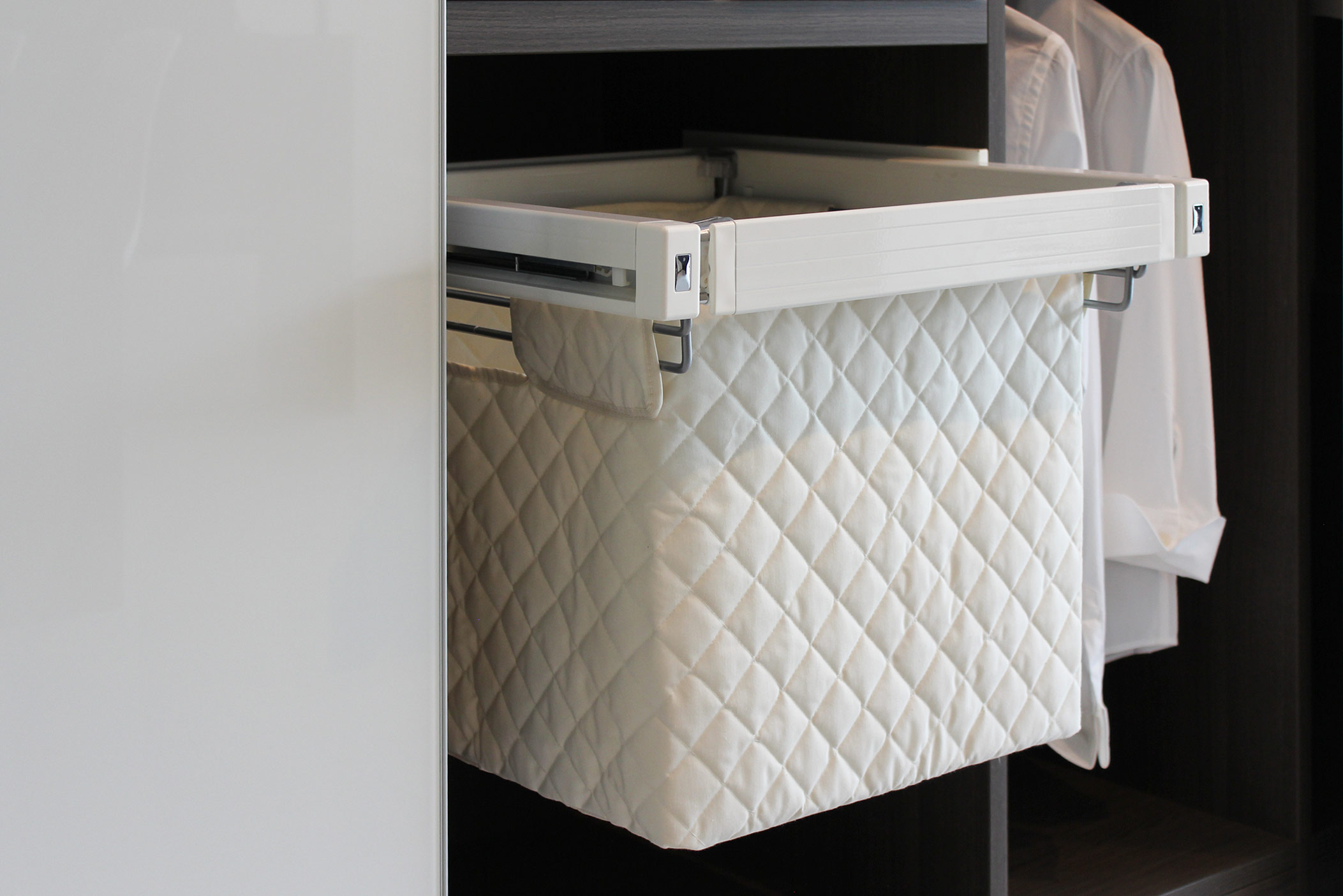 In small bedrooms, a fitted wardrobe can serve multiple purposes. Incorporating a pull-out desk or a hidden dressing table within the wardrobe can add functionality without requiring additional floor space. This approach ensures that every inch of the wardrobe contributes to making the room more practical and less cluttered. Multi-functional features can transform your wardrobe into a versatile piece of furniture that adapts to your lifestyle needs.
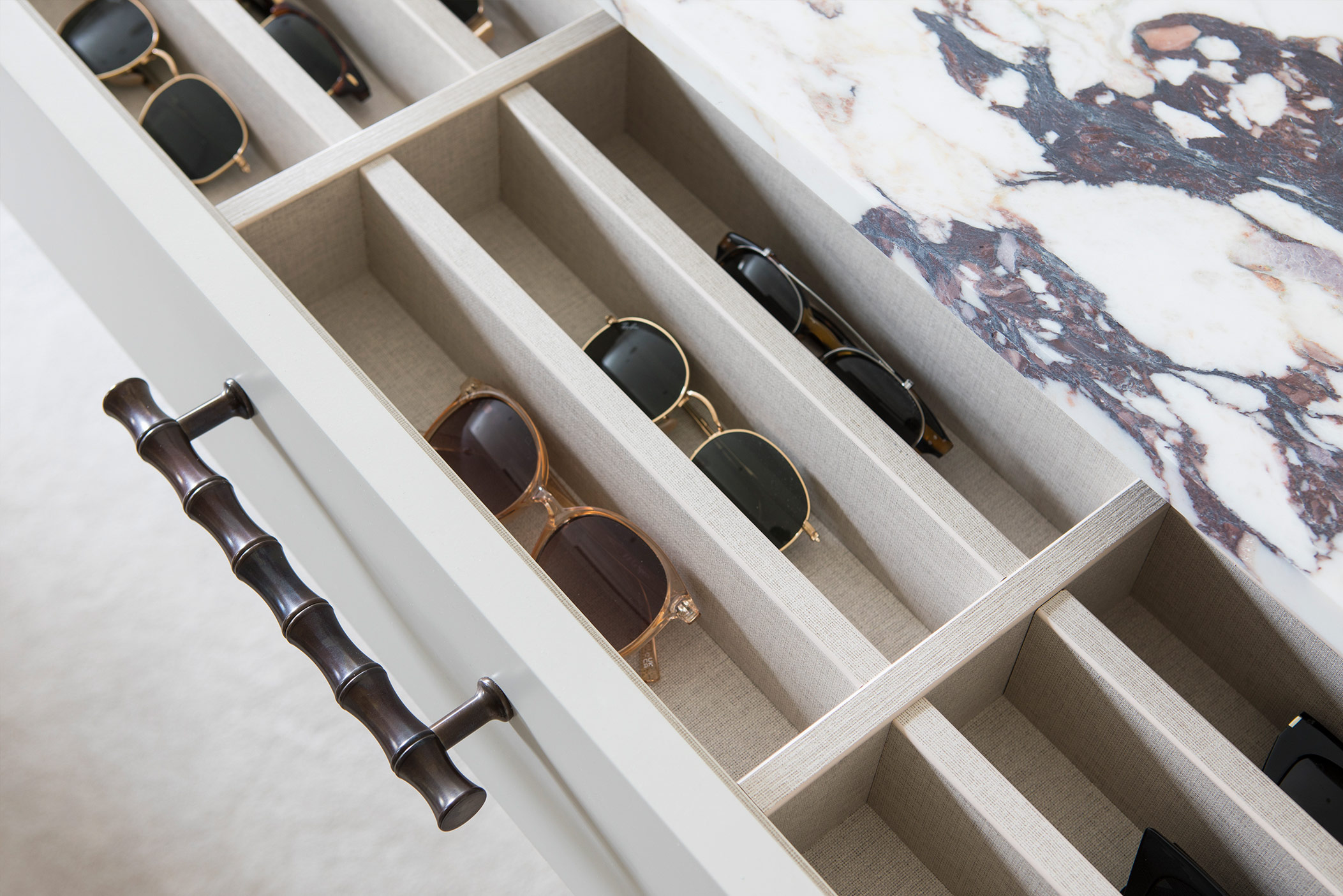 To truly maximise space, consider innovative storage solutions. Accessories like pull-down hanging rails, built-in shoe racks, and customisable drawer organisers can significantly enhance the storage capacity of a fitted wardrobe. These features help maintain organisation and ensure that every item has a designated place, which is crucial in maintaining order in a small space. Innovative storage options also allow you to optimise every corner, making the most out of even the smallest areas.
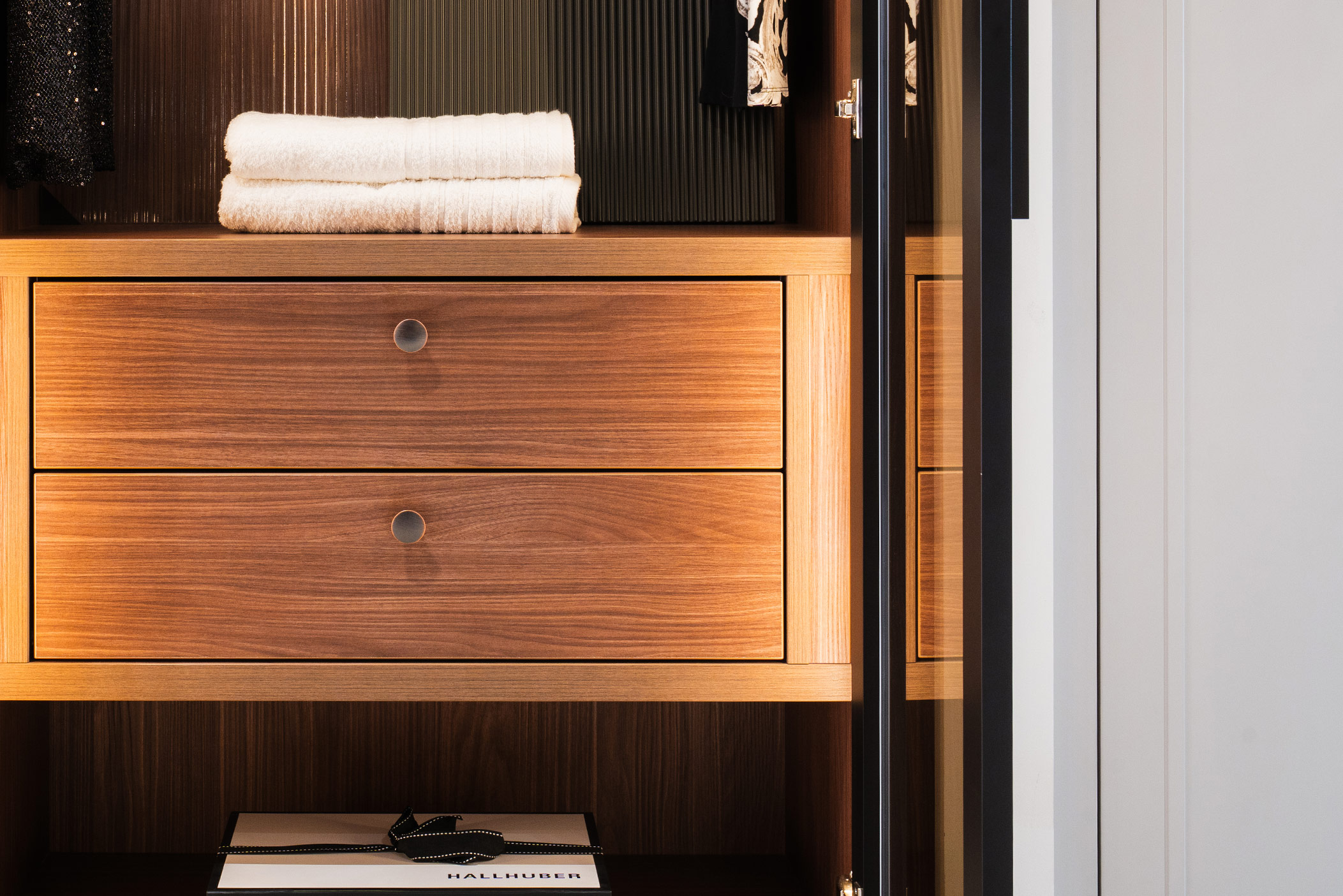 Proper lighting within a fitted wardrobe is essential, especially in small spaces where natural light might be limited. Integrating LED strips or overhead lighting inside the wardrobe ensures that all areas are well-lit, making it easier to find items quickly. Good lighting can also help the room feel more open and airy. Additionally, sensor-activated lighting can add a modern touch while providing convenience and energy efficiency.
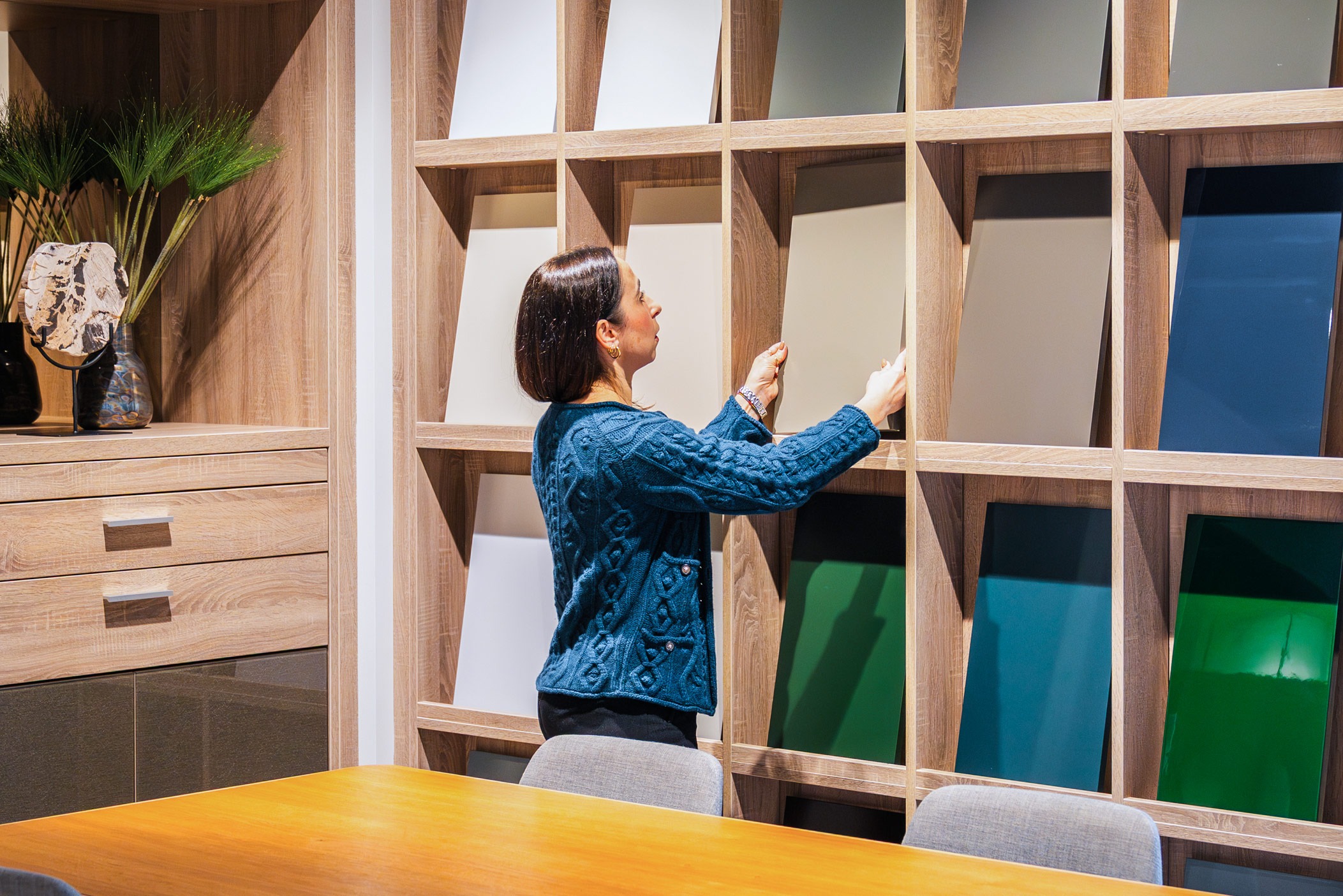
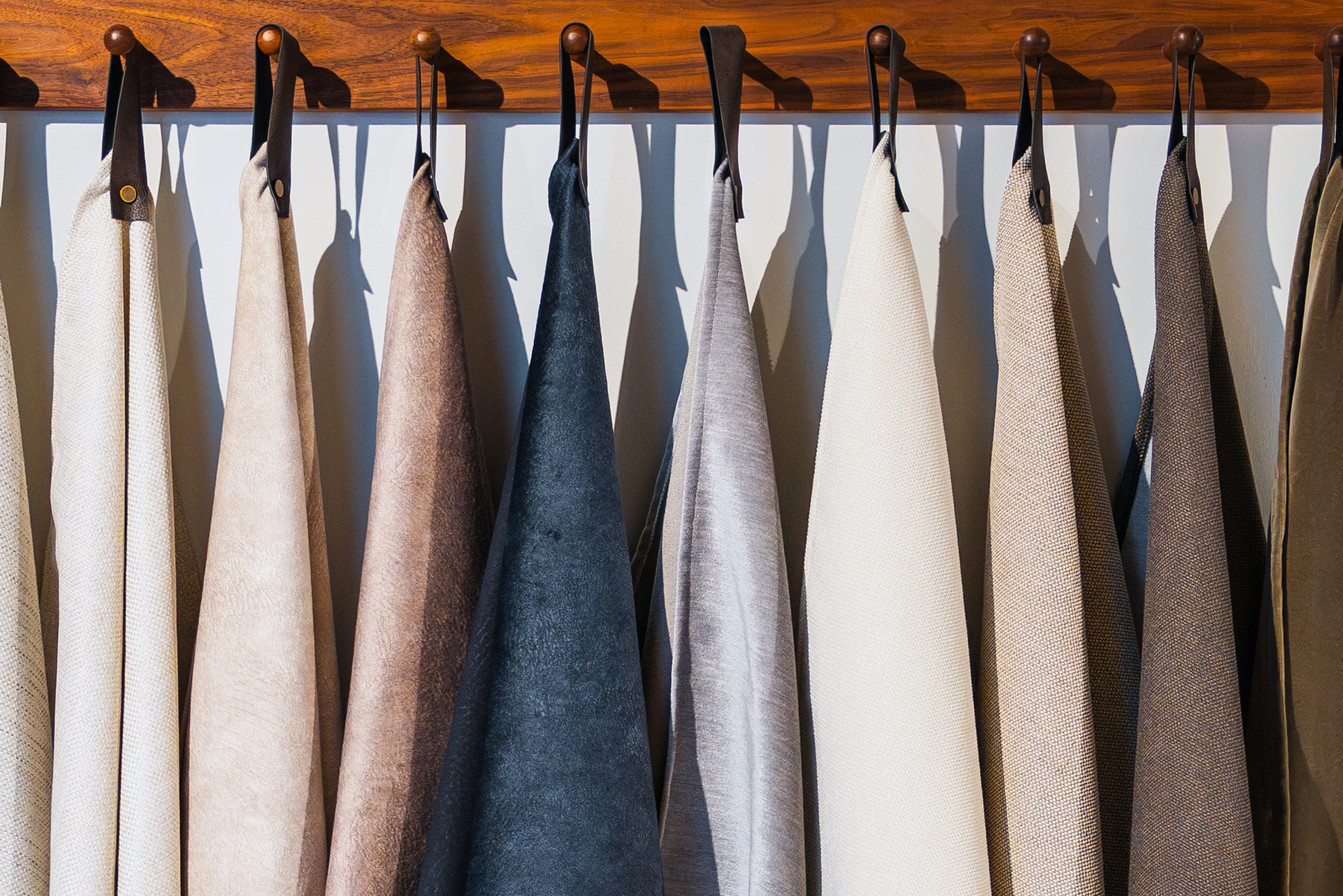 The choice of materials and colours for your fitted wardrobe can impact the perception of space. Lighter colours and smooth textures tend to make a room feel bigger and brighter. Opting for materials that blend well with the rest of the room’s decor can create a seamless look that enhances the overall feel of the space. Choosing finishes that reflect light, like gloss or satin, can also help in amplifying the room’s brightness and creating a more expansive atmosphere.
Start with Planning and Measurement
The first step in integrating a fitted wardrobe into a small bedroom is precise measurement. Assessing the available space is crucial. Consider the height, width, and depth that the wardrobe can occupy without overwhelming the room. This initial planning phase should focus on maximising storage vertically to use the often-underutilised upper wall space. Thoughtful planning also helps to avoid any awkward gaps or unusable spaces, ensuring an ideal fit.
Choosing the Right Design
Selecting the right design for a fitted wardrobe involves considering both aesthetic and functional elements. Opt for sleek, minimal designs that don’t add visual bulk to the room. Mirrored or glass doors can help reflect light and make the space appear larger. Additionally, choosing a wardrobe with sliding doors can save space, eliminating the need for clearance that swinging doors require. A well-chosen design can seamlessly integrate with the room’s decor, enhancing both style and functionality.
Customising Internal Layouts
The internal configuration of a fitted wardrobe should address specific storage needs. Custom shelves, hanging rails, and drawers can be designed to accommodate various items, from clothes to accessories, maximising space efficiency. For smaller rooms, it’s advisable to prioritise hanging space over shelves to keep the wardrobe less bulky and more functional. A well-organised internal layout ensures that every inch of space is used effectively, reducing clutter and improving accessibility.
Integrating Multi-functional Features
In small bedrooms, a fitted wardrobe can serve multiple purposes. Incorporating a pull-out desk or a hidden dressing table within the wardrobe can add functionality without requiring additional floor space. This approach ensures that every inch of the wardrobe contributes to making the room more practical and less cluttered. Multi-functional features can transform your wardrobe into a versatile piece of furniture that adapts to your lifestyle needs.
Utilising Innovative Storage Solutions
To truly maximise space, consider innovative storage solutions. Accessories like pull-down hanging rails, built-in shoe racks, and customisable drawer organisers can significantly enhance the storage capacity of a fitted wardrobe. These features help maintain organisation and ensure that every item has a designated place, which is crucial in maintaining order in a small space. Innovative storage options also allow you to optimise every corner, making the most out of even the smallest areas.
Lighting and Visibility
Proper lighting within a fitted wardrobe is essential, especially in small spaces where natural light might be limited. Integrating LED strips or overhead lighting inside the wardrobe ensures that all areas are well-lit, making it easier to find items quickly. Good lighting can also help the room feel more open and airy. Additionally, sensor-activated lighting can add a modern touch while providing convenience and energy efficiency.
Colour and Material Considerations
The choice of materials and colours for your fitted wardrobe can impact the perception of space. Lighter colours and smooth textures tend to make a room feel bigger and brighter. Opting for materials that blend well with the rest of the room’s decor can create a seamless look that enhances the overall feel of the space. Choosing finishes that reflect light, like gloss or satin, can also help in amplifying the room’s brightness and creating a more expansive atmosphere.
Invest in Fitted Wardrobes from Neatsmith
A fitted wardrobe can be a game-changer for small bedrooms, combining style with functionality. By carefully planning, selecting the right design, and utilising innovative storage solutions, you can create a space that feels both expansive and organised. We specialise in creating bespoke fitted wardrobes that cater to the unique needs of every room, ensuring that even the smallest spaces are optimised for comfort and style. With the right approach, your small bedroom can transform into a really efficient space. At Neatsmith, we are dedicated to designing, manufacturing, and installing London's premier bespoke wardrobes. With nearly two decades of experience, we have established a solid reputation for offering exquisite bespoke wardrobes, dressing rooms, and home offices that perfectly complement both historic and modern residences. Our focus is on delivering outstanding design and quality, coupled with exceptional service. From your initial consultation to the final installation, you can be assured that the quality of our products is consistently matched, and often surpassed, by the level of service we provide. Fill out our online enquiry form today to see how we can help you.
Request an appointment today and one of our experienced designers will help you create a perfectly designed space to suit your needs and your style
Request An Appointment
Request An Appointment

